

Cream Cheese Pound Cake
I’ve always loved a classic pound cake, but adding cream cheese to the batter makes a noticeable difference in the texture. This Cream Cheese Pound Cake has a rich, velvety crumb that stays moist without feeling too heavy, and I like to finish it with a simple vanilla bean cream cheese glaze. After making this version, it’s become one of my favorite ways to prepare pound cake.
The cream cheese adds a subtle tanginess that balances the sweetness, while the butter gives the cake its familiar richness. I love serving it with fresh berries, but it’s just as good on its own, without any glaze at all.

Why You’ll Love This Cream Cheese Pound Cake
There are a few reasons I keep coming back to this recipe.
This post may contain affiliate links. I earn a commission from qualified purchases. Please read our Privacy policy here.
- Rich, moist texture: The combination of butter and cream cheese creates a soft, velvety crumb while maintaining the structure of a traditional pound cake.
- Simple ingredients: Everything comes together with familiar baking ingredients, and the method is straightforward.
- Vanilla bean cream cheese glaze: The glaze adds another layer of cream cheese flavor without overpowering the cake.
- Easy to serve: I love that this cake works just as well with a simple dusting of powdered sugar as it does with fresh fruit and glaze.
- Great for making ahead: The cake keeps well, and you can even freeze it for later.
If you enjoy this style of cake, my Lemon Bundt Cake is another recipe worth trying, especially if you prefer a little citrus flavor.

Key Ingredients and Why I Use Them
The ingredients are simple, but a few of them make a big difference in the finished texture. I recommend bringing the refrigerated ingredients to room temperature before starting so they mix together smoothly.
Cream Cheese: Cream cheese is what sets this pound cake apart from a traditional version. It adds richness, moisture, and a subtle tangy flavor that balances the sweetness of the batter. I use full-fat cream cheese and make sure it’s softened before mixing. Cold cream cheese can leave small lumps in the batter, so this is one ingredient I always take out of the refrigerator ahead of time.
Cake Flour: I use cake flour because it helps create a softer, more delicate crumb. Pound cake is naturally dense, but I still want it to have a tender texture. If you don’t have cake flour, you can substitute it with a combination of all-purpose flour and cornstarch. I’ve included the exact measurements in the recipe notes below.
Buttermilk: Buttermilk adds moisture and a little tanginess to the batter. I like how it works alongside the cream cheese without making the cake taste overly tangy. If you don’t have buttermilk, you can make a substitute using milk and a little lemon juice or vinegar.
Vanilla Bean: I use vanilla extract in the cake batter and vanilla bean seeds in the cream cheese glaze. The vanilla bean adds a lovely flavor to the glaze, but you can also use vanilla bean paste or pure vanilla extract if that’s what you have available.
How to Make Cream Cheese Pound Cake
The complete ingredient amounts are in the recipe card, but I want to walk you through the mixing process and a few details that make a difference, particularly when preparing the Bundt pan and checking the cake for doneness.
Prepare the Pan and Dry Ingredients
Start by preheating the oven to 325°F (163°C).
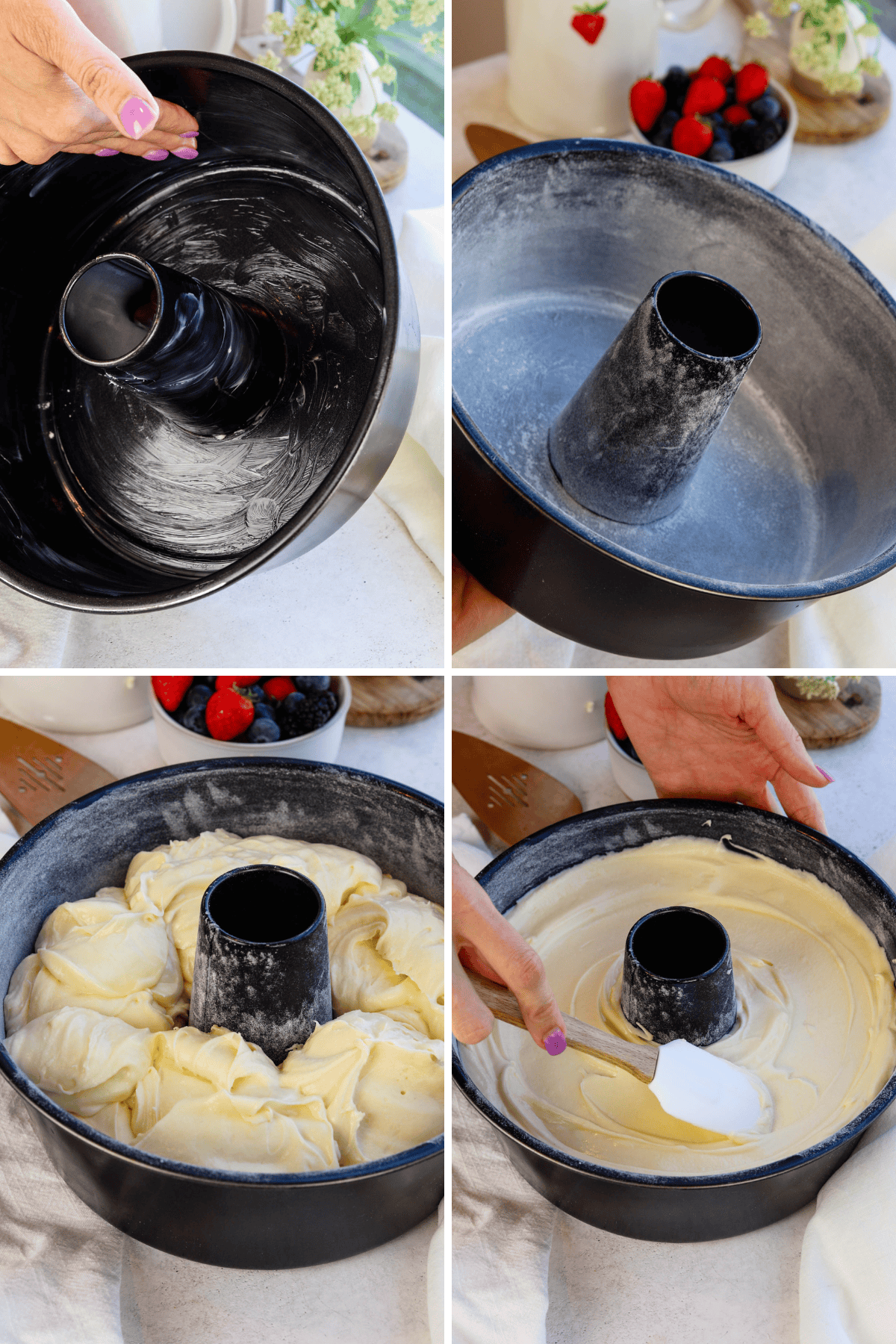
Grease a 12-cup Bundt pan thoroughly with butter, making sure to coat every ridge and crevice. Sprinkle flour over the butter, rotating the pan until the entire surface is covered, then tap out the excess.
I find that using butter and flour is one of the most reliable ways to prevent a Bundt cake from sticking. If your pan has an intricate design, take a little extra time with this step.
In a separate bowl, whisk together the cake flour, baking soda, and salt. Set aside while you prepare the batter.
Cream the Butter, Cream Cheese, and Sugar
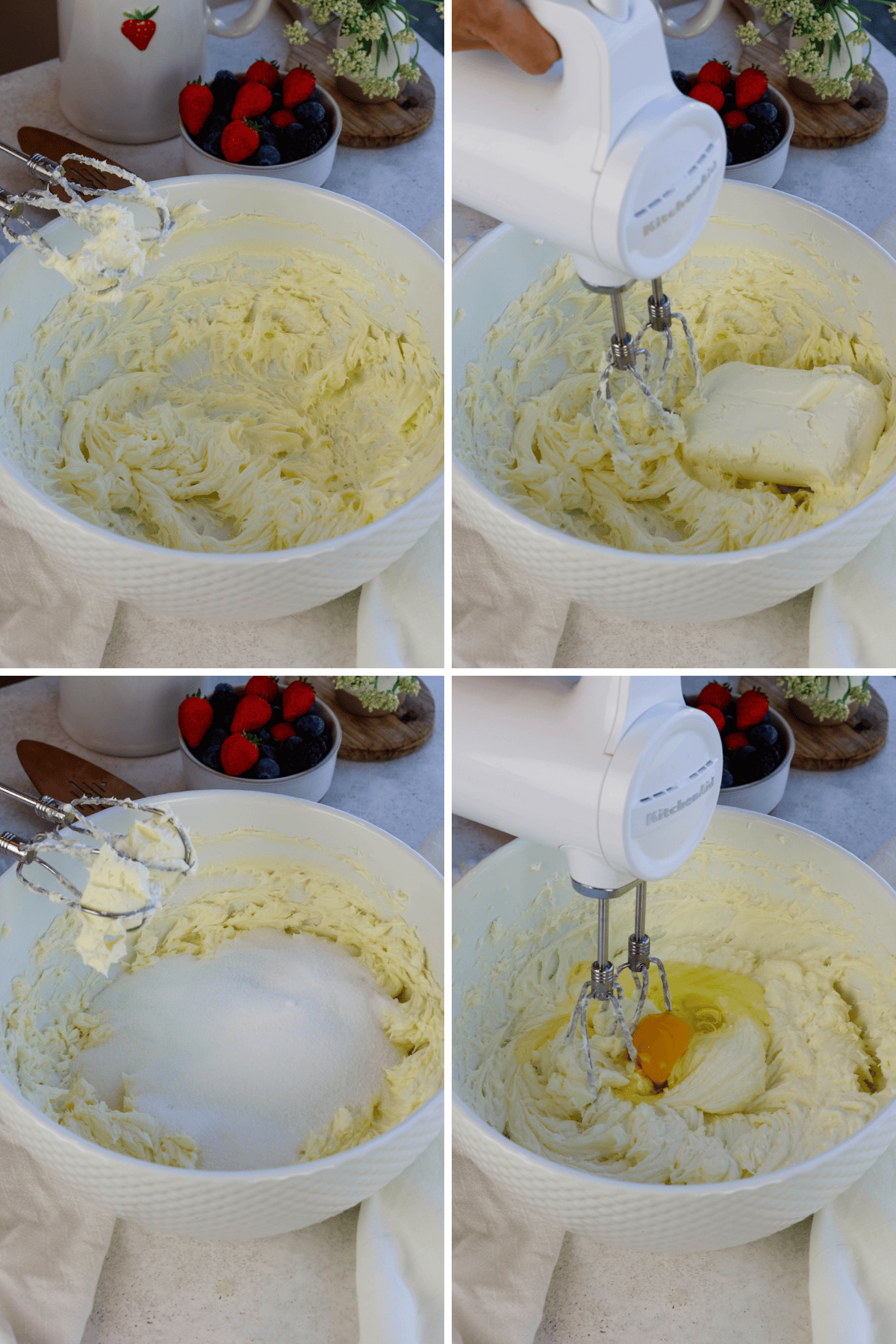
Add the softened cream cheese and beat for another 30 seconds, then scrape down the sides and bottom of the bowl. Add the granulated sugar and beat for 2 minutes, scraping the bowl halfway through.
I like to make sure the butter and cream cheese are completely combined before adding the eggs. This helps create a smooth batter and prevents little pieces of cream cheese from remaining in the finished cake.
Add the eggs one at a time, mixing until each egg is incorporated before adding the next. Scrape the bowl with a silicone spatula between additions. With six eggs going into the batter, this helps keep everything evenly mixed. Once all the eggs have been added, pour in the vanilla extract and mix until combined. The batter should look smooth and creamy at this point.
Add the Flour and Buttermilk
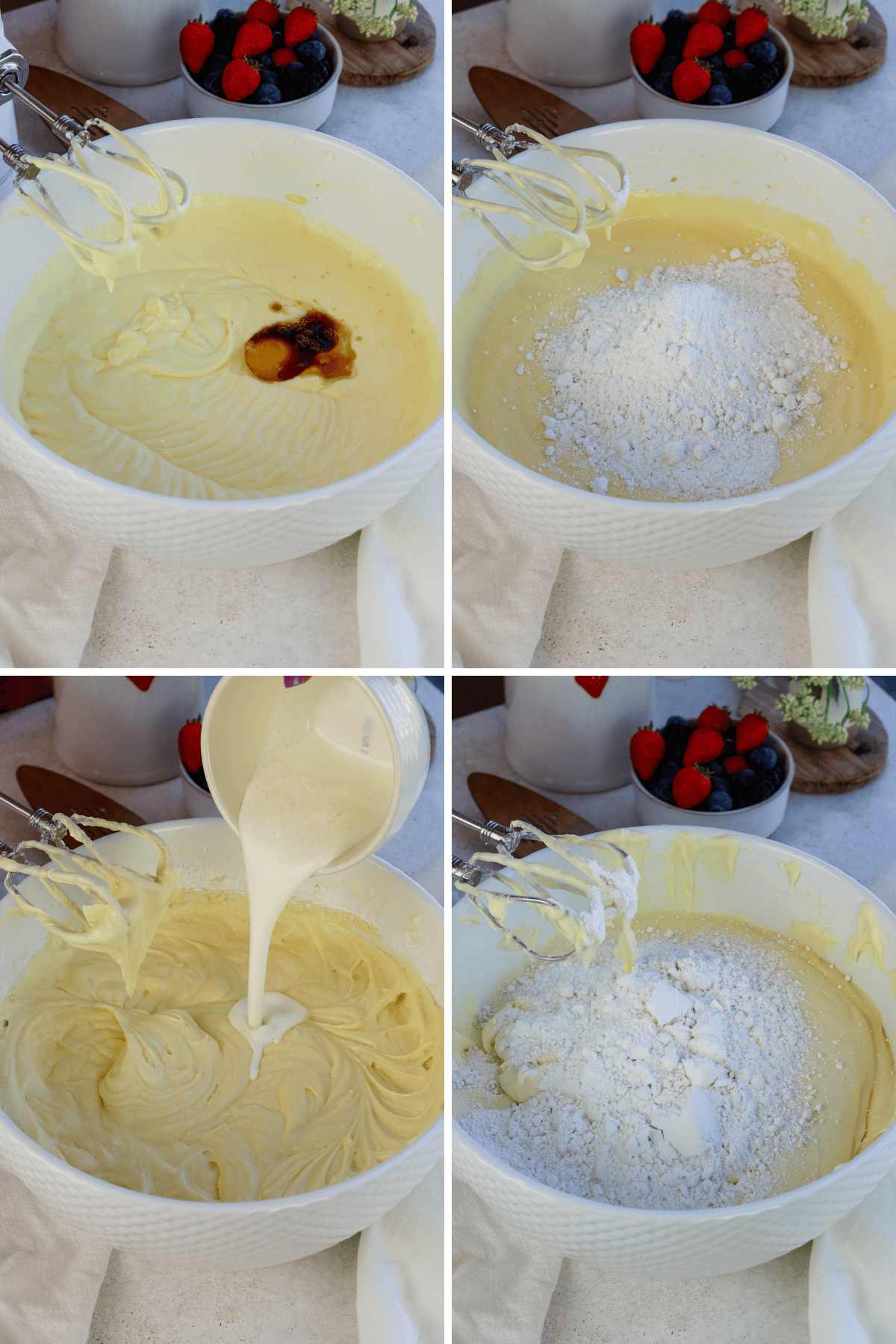
Add half of the flour mixture to the bowl and mix on low speed until just incorporated.
Pour in the buttermilk and continue mixing until combined.
Finish by adding the remaining flour mixture. Mix just until the batter is smooth and you can no longer see any dry ingredients.
I recommend stopping the mixer as soon as everything is incorporated. Overmixing after adding the flour can develop too much gluten, which can make the cake tougher than it should be.
Bake the Pound Cake
Pour the batter into the prepared Bundt pan and use a spatula to smooth the surface. Bake at 325°F (163°C) for approximately 65 to 80 minutes.
The exact baking time will depend on your oven and the size and shape of your pan. I recommend starting to check the cake at around 55 minutes, although it will usually need more time.
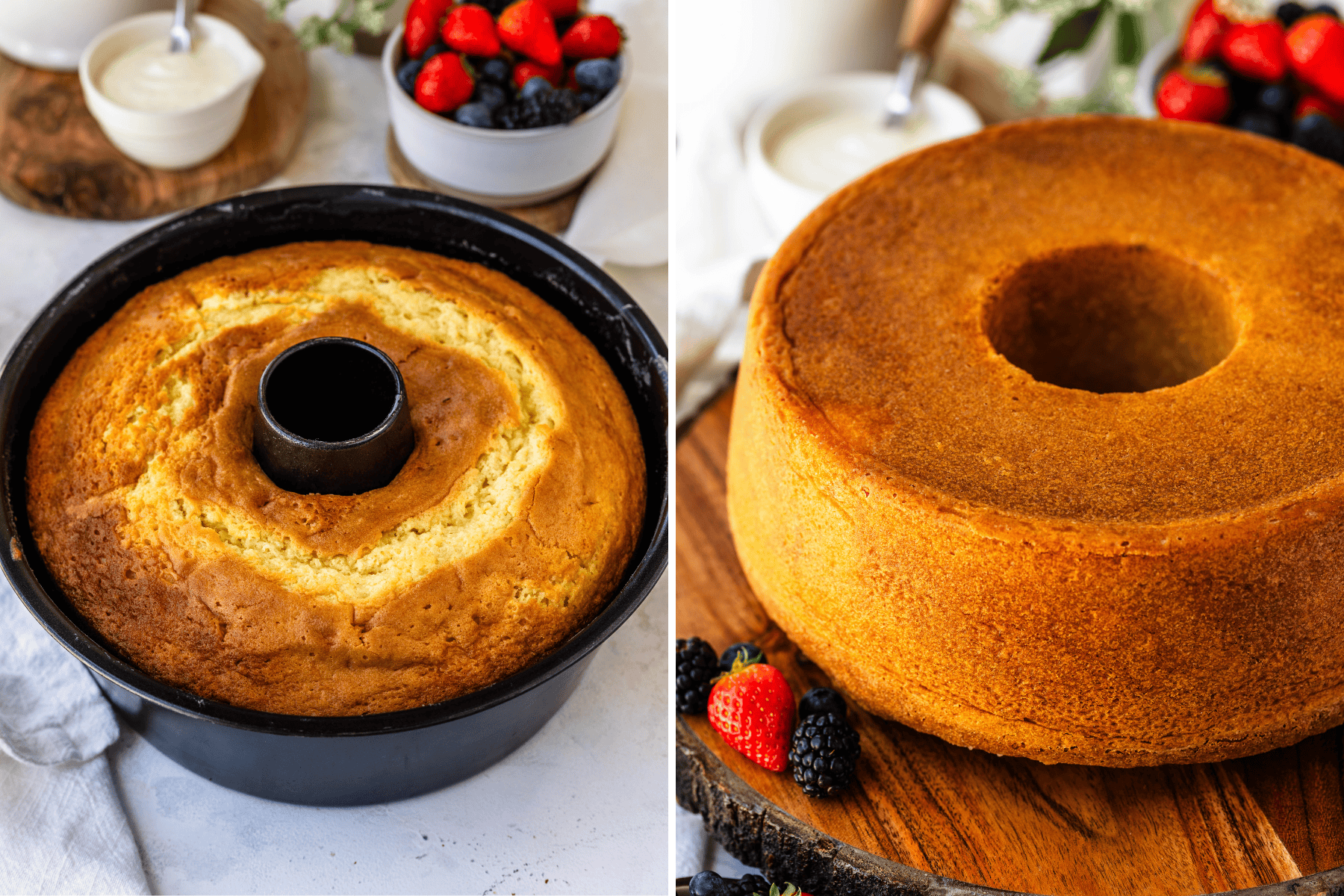
To check for doneness, insert a toothpick into the center of the cake. It should come out clean, without any wet batter. You can also gently press the surface of the cake. It shouldn’t feel jiggly, and it should slowly spring back when touched.
If the cake is becoming too brown on top before the center is finished baking, loosely cover it with aluminum foil.
One thing I always pay attention to with pound cakes is not removing them from the oven too early. Because the batter is rich and dense, the center needs enough time to bake completely.
Cool the Cake Before Removing It From the Pan
Once the cake is done, remove it from the oven and leave it in the Bundt pan to cool.
Allow the cake to cool for at least 1½ hours before turning it out. Depending on the temperature of your kitchen, it may take closer to 2 hours.
This is an important step for this particular recipe. The cake is very tender while it’s warm, and removing it too early can cause it to collapse or break.
Once the cake has cooled sufficiently, carefully invert it onto a wire rack or serving plate.
I know it’s tempting to turn it out right away, especially after waiting for it to bake, but giving it enough time to cool makes a big difference.
Make the Vanilla Bean Cream Cheese Glaze
I like finishing this cake with a cream cheese glaze because it complements the cream cheese in the batter without making the cake overly sweet. The glaze should be thick enough to coat the cake but fluid enough to drizzle over the sides.
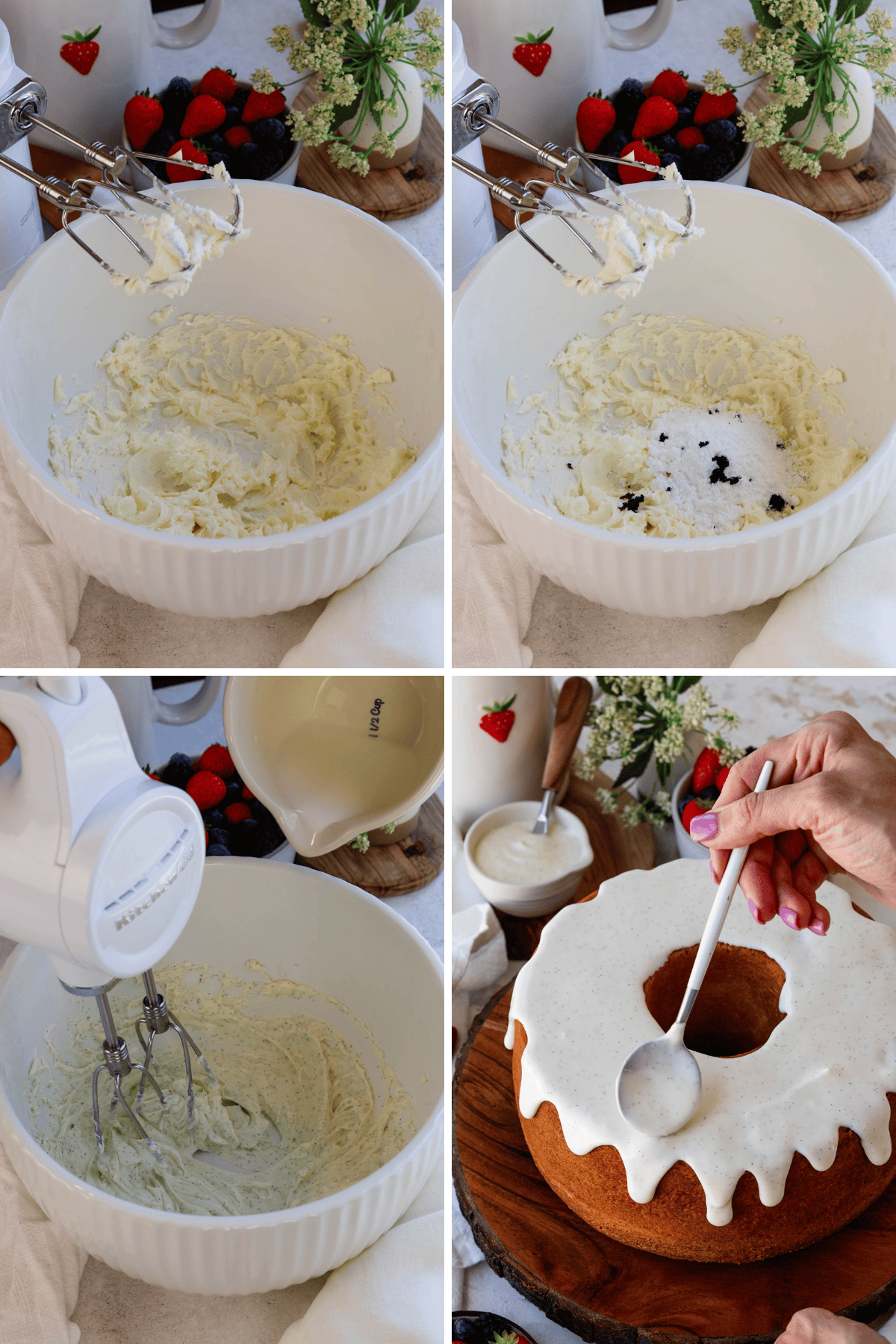
Make the Glaze: Place the softened cream cheese and butter in a mixing bowl. Using an electric mixer, beat them together on high speed for about 30 seconds, until smooth. Add the powdered sugar and vanilla bean seeds, then mix on low speed until incorporated.You can substitute the vanilla bean seeds with vanilla bean paste or pure vanilla extract.
Adjust the Consistency: Add the milk and mix until the glaze reaches the consistency you want. I prefer a glaze that’s runny enough to flow down the sides of the cake but not so thin that it disappears into the surface. Start with the smaller amount of milk and add more as needed. It’s much easier to thin the glaze than to correct one that’s become too runny.
Glaze and Decorate the Cake: Once the pound cake has cooled completely, drizzle the cream cheese glaze over the top, allowing some of it to run down the sides. I like to finish the cake with fresh strawberries, blueberries, blackberries, or raspberries. The fruit adds a little freshness that works really well with the rich cake. Let the glaze set for 10 to 20 minutes before slicing and serving.
Storage and Make Ahead
One thing I appreciate about pound cake is that it stores well, so you don’t necessarily need to make it right before serving.
Room Temperature: If the cake hasn’t been glazed, you can store it in an airtight container at room temperature for up to 2 days.
Refrigerator: Once the cream cheese glaze has been added, the cake needs to be refrigerated. Store it in an airtight container for up to 4 days. I recommend letting refrigerated slices come to room temperature before serving. The cake becomes firmer when chilled, and the texture is much softer once it warms up. If you’re impatient like me, you can also microwave an individual slice in short intervals until it’s slightly warmed.
Freezer: The cake can be frozen for up to 2 months. I prefer freezing it without the glaze, although you can freeze it after glazing if needed. To freeze individual slices, wrap them tightly in plastic wrap and place them in an airtight container. You can also freeze the entire cake if you prefer. Thaw the cake in the refrigerator overnight, then bring it to room temperature before serving. Individual slices will thaw more quickly than a whole cake.
My Tips for Making Cream Cheese Pound Cake
This is a straightforward recipe, but there are a few things I always pay attention to when making it. Most of them have to do with ingredient temperature, mixing, and knowing when the cake is ready.
- Use room-temperature ingredients. The butter, cream cheese, eggs, and buttermilk should all be at room temperature before you begin. Cold ingredients don’t incorporate as smoothly, which can affect the texture of the batter. If you forget to take the eggs out ahead of time, place them in a bowl of warm water for a few minutes.
- Grease and flour the Bundt pan thoroughly. This is especially important if your pan has a lot of ridges or decorative details. I use softened butter to coat every part of the pan, then dust it with flour. Don’t forget the center tube.
- Measure the flour carefully. I prefer weighing flour whenever possible because it’s more accurate than measuring by volume. Too much flour can make the cake dry or overly dense.
- Don’t overmix once the flour is added. I mix on low speed and stop as soon as the ingredients are incorporated. This helps keep the crumb tender.
- Pay attention to the baking time. Pound cakes need enough time in the oven to bake through, but overbaking can dry them out. Start checking around 55 minutes, and use a toothpick and the texture of the cake to determine when it’s ready.
- Cover the cake if it’s browning too quickly. If the top is getting too dark but the center still needs time, loosely cover the pan with aluminum foil.
- Let the cake cool in the pan. This step matters more than it might seem. The cake needs time to firm up before you remove it from the Bundt pan. I recommend waiting at least 90 minutes.

Variations and Serving Ideas
I love this cake with the vanilla bean cream cheese glaze, but it’s also a good base for a few simple flavor variations.
Almond Pound Cake: Add ½ teaspoon of almond extract to the cake batter and ¼ teaspoon to the glaze. I love the way almond complements the buttery flavor of pound cake. If you enjoy almond desserts, you might also like my Almond Cake.
Lemon or Orange Pound Cake: Add 1 to 2 tablespoons of lemon or orange zest to the batter. You can also add about ½ teaspoon of zest to the glaze and replace the milk with citrus juice for a brighter flavor.
Chocolate Ganache: Instead of the cream cheese glaze, top the cake with chocolate ganache. The rich chocolate works beautifully with the buttery cake.
Fresh Fruit and Whipped Cream: Skip the glaze and serve individual slices with fresh berries, strawberry or raspberry sauce, and a spoonful of whipped cream. I also enjoy serving it with jam or marmalade.
For an even simpler presentation, you can leave the cake plain or finish it with a light dusting of powdered sugar.

Frequently Asked Questions
Yes. If you don’t have cake flour, you can substitute it with 2⅔ cups (315 grams) of all-purpose flour mixed with 6 tablespoons (42 grams) of cornstarch. I prefer cake flour for its tender texture, but this substitute is a good option if you don’t have any on hand.
Yes. You can divide the batter between two 9×5-inch loaf pans. The baking time will be different from the Bundt cake, so I recommend checking for doneness with a toothpick and watching the cakes closely as they bake.
The most common reasons are overbaking or adding too much flour. I recommend weighing the flour and checking the cake before the full baking time has passed. Remove it from the oven once a toothpick comes out clean and the cake is set. You also want to avoid overmixing the batter after adding the flour, which can affect the texture.
Absolutely. You can bake the cake a day ahead and keep it covered at room temperature without the glaze. I prefer adding the cream cheese glaze once the cake has cooled completely and closer to serving. If you glaze it ahead of time, store it in the refrigerator and allow it to come to room temperature before serving.

More Cake Recipes to Try
If you enjoyed this Cream Cheese Pound Cake, I think you’ll also love my Peach Cobbler Pound Cake, which is another great option when you’re craving a rich, buttery cake. I also recommend my Orange Cake if you enjoy citrus flavors. Both are lovely cakes to serve with coffee or as an afternoon dessert.
Final Thoughts
I love a good traditional pound cake, but the cream cheese really makes this version stand out to me. It has the richness I expect from a pound cake, with a softer, more velvety crumb and just enough tanginess to balance the sweetness. The vanilla bean glaze is a lovely finishing touch, but I think the cake is just as good served plain.
If you make this Cream Cheese Pound Cake, I’d love to hear how it turns out! Leave a comment and rating below, or share a photo and tag me on Instagram so I can see your creations.

Cream Cheese Pound Cake
Ingredients
Cake Batter
- 3 cups cake flour 357g
- ¼ tsp baking soda
- ¼ tsp salt
- 1½ cups unsalted butter room temperature (339g)
- 1 cup grams cream cheese room temperature (226g)
- 2½ cups granulated sugar 500g
- 6 large eggs
- ½ tbsp vanilla extract
- ⅓ cup buttermilk 78ml
Vanilla Bean Cream Cheese Glaze
- ½ cup cream cheese room temperature (113g)
- 2 tbsp unsalted butter room temperature (28g)
- ⅓ cup powdered sugar 41g
- 3 to 4 tbsp milk
- 1 tsp vanilla bean seeds or pure vanilla extract, or vanilla bean paste
To serve
- fresh berries
Instructions
Cake Batter
- Pre-heat the oven to 325ºF. Grease a 12-cup bundt pan with butter, and sprinkle flour all over to coat it. Tap the pan to shake off the excess flour.
- In a bowl, whisk together the cake flour, baking soda, and salt. Set aside.
- Ensure the butter, cream cheese are at 72ºF, which is room temperature.
- With a hand mixer, or in a stand mixer using the paddle attachment, beat the butter for one minute.
- Add the cream cheese and beat for 30 seconds. Scrape the bowl.
- Add the sugar and beat the ingredients together for 2 minutes, scraping the bowl halfway.
- Add the eggs, one at a time, mixing until incorporated before adding the next egg. Scrape the bowl with a silicone spatula in between each egg addition.
- Pour the vanilla in and mix to combine.
- Add half of the flour mixture to the bowl. Mix on low to combine.
- Add the buttermilk and mix until incorporated.
- Finish by adding the remaining flour ingredients.
- Stir the batter just until combined and smooth.
- Pour the batter in the greased and floured pan.
- Bake in the pre-heated oven for about 65 to 80 minutes. Depending on your oven, or on the size of the pan you are using, baking time may vary. For that reason, start checking the cake at around 55 minutes into baking. When the cake is done, a toothpick inserted into it will come out clean. And if you touch the top of the cake it won’t feel jiggly, and it will spring back slowly when you poke it.
- Remove the cake from the oven. Let it cool down for at least 1 and a half hours in the cake pan. Only remove it from the pan when the cake has cooled down, otherwise it will collapse.
Vanilla Bean Cream Cheese Glaze
- Place the cream cheese and butter in a bowl. Use an electric hand mixer, or a stand mixer to beat the cream cheese and butter together for 30 seconds on high speed.
- Add the powdered sugar, vanilla bean seeds, and mix on low to combine.
- Add the milk and mix until the glaze has the perfect consistency. It should be runny, but not too thin.
- Pour the glaze over the cooled cake. Top the cake with strawberries, blackberries, raspberries, or blueberries, if desired.
- Let the glaze set for 10 to 20 minutes, serve the cake.
Storage
- Store the cake in an airtight container.
- The un-glazed cake can stay on the counter at room temperature for up to 2 days.
- The glazed cake must be refrigerated. It can stay in the fridge for up to 4 days. Let it come to room temperature before serving.
- You can also freeze the cake for up to 2 months. It’s best to freeze it without the glaze, but you can also freeze it with the glaze. Make sure to place the cake in an air tight container. If freezing individual slices, wrap them in plastic tightly and then place them in an air tight container.

Hi, Do you actually use the metric measures or do you consult a conversion chart and use a cup measure?
I live in Australia and my kitchen scales weigh 1 c of Plain Flour (All purpose flour) properly spooned at 140g.
The difference in weight will definitely affect the consistency of the crumb and density of the cake.
I only use metric for things like flour, sugar etc. If you search online you will find many places say 1 cup of all-purpose flour weighs from 4 to 4.5 ounces. But many years ago I decided to use 4.5 ounces (127 grams) and that’s what i use in all of my recipes for all-purpose flour. On the case of this cake, we use cake flour, and that weighs a bit less, for cake flour I consider the measurement of 4.2 ounces (again, you find all sorts of different measurements online) which would be 119 grams per cup.
Que delícia esse bolo! Amei a receita! A foto está maravilhosa.
Could you use mascarpone cheese in place of cream cheese?
Looks absolutely delicious!
I am not sure, I don’t know what the results would be since I haven’t tried it myself. I do think it could alter the results quite a bit since mascarpone has almost double the amount of fat as cream cheese, so maybe there would have to be some adaptations with the fats of the recipe.
Que delícia!! Amei a receita! A foto está perfeita!🤩