

Orange Cranberry Bread
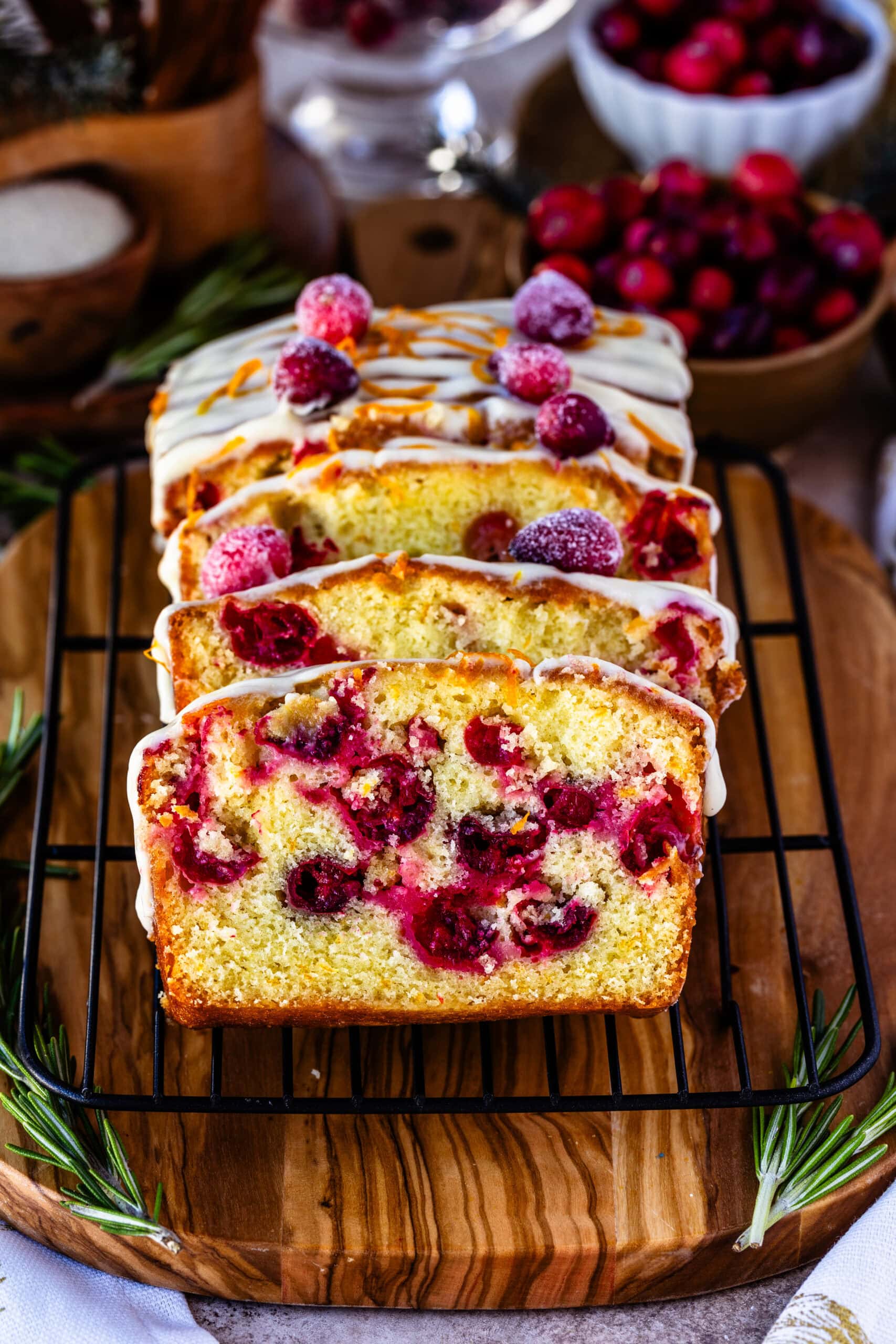
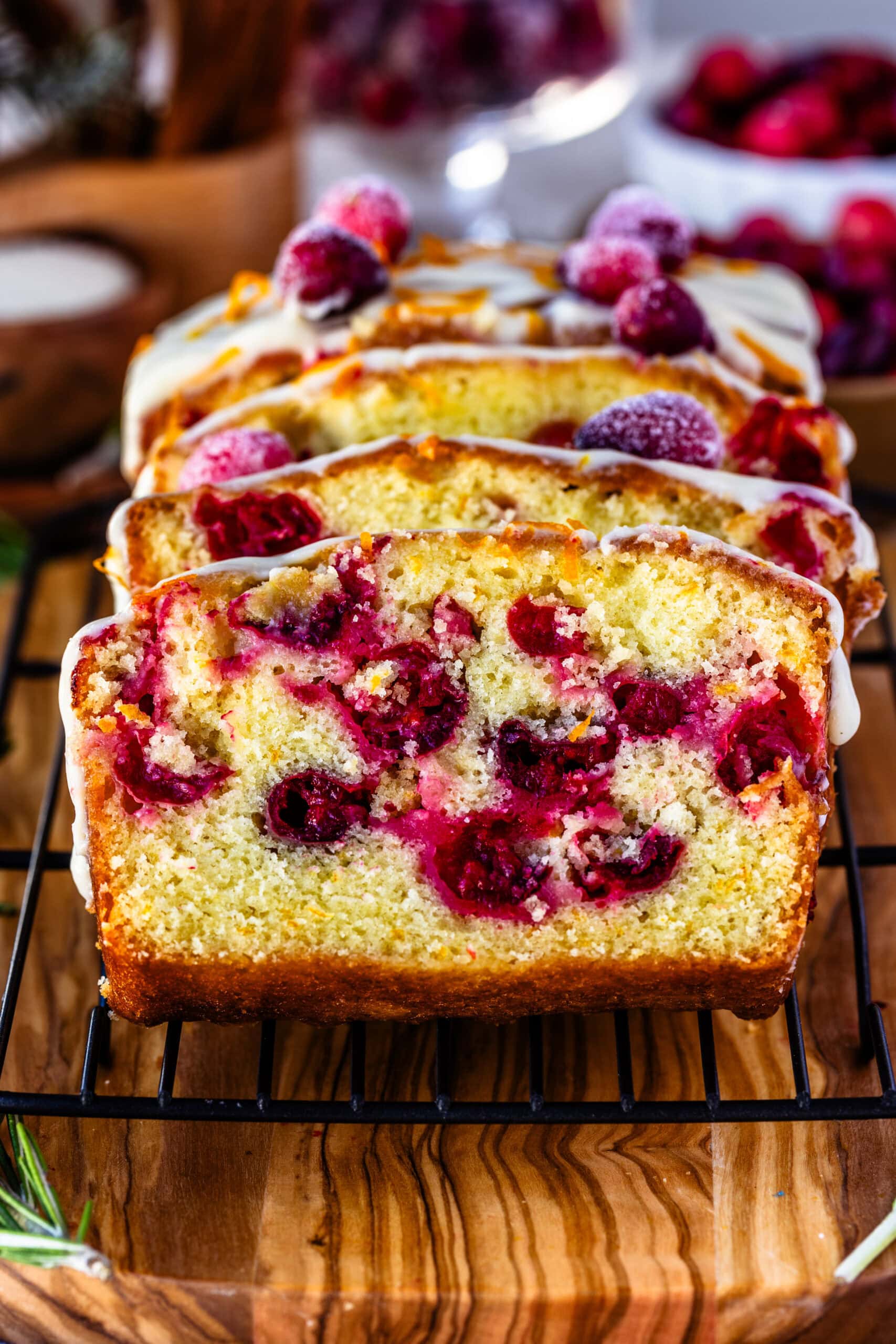
I make this orange cranberry bread every year once fresh cranberries show up in the grocery store, and it’s one of those loaves that feels both familiar and special at the same time. The crumb stays soft and moist, the cranberries bring just enough tartness, and the orange flavor comes through clearly without being overpowering.

Why I Love This Bake!
This bread hits that sweet spot between cozy and bright, and it’s one I come back to because it works every time.
- The crumb stays soft and tender for days
- The orange flavor is fresh and balanced, not bitter
- Cranberries are evenly distributed throughout the loaf
- The glaze adds richness without making it too sweet
- It bakes up tall and slices cleanly
Key Ingredients & Why I Use Them
Fresh cranberries: They add sharp, tart bursts that balance the sweetness of the loaf. I prefer fresh, but frozen work well too.
This post may contain affiliate links. I earn a commission from qualified purchases. Please read our Privacy policy here.
Orange zest and juice: Zest carries most of the flavor, while the juice adds moisture and brightness.
Sour cream: This keeps the bread moist and tender without making it heavy.
Cornstarch: A small amount softens the crumb and gives the loaf a lighter texture.
Butter: I use butter for flavor and structure—it gives the bread richness without feeling dense.
How I Make This Orange Cranberry Bread
The full recipe card is below, but this is how I make it step by step.
Step 1: Preparing the Pan and Dry Ingredients
I start by preheating the oven to 350°F (175°C). I grease an 8.5 × 4.5-inch loaf pan and line it with parchment paper, making sure the parchment comes up the sides for easy removal.
If I’m using a pan with a lot of creases or detailing, I grease it thoroughly with room-temperature butter, making sure to get into every corner, then dust it lightly with flour and tap out the excess. This step prevents sticking later.
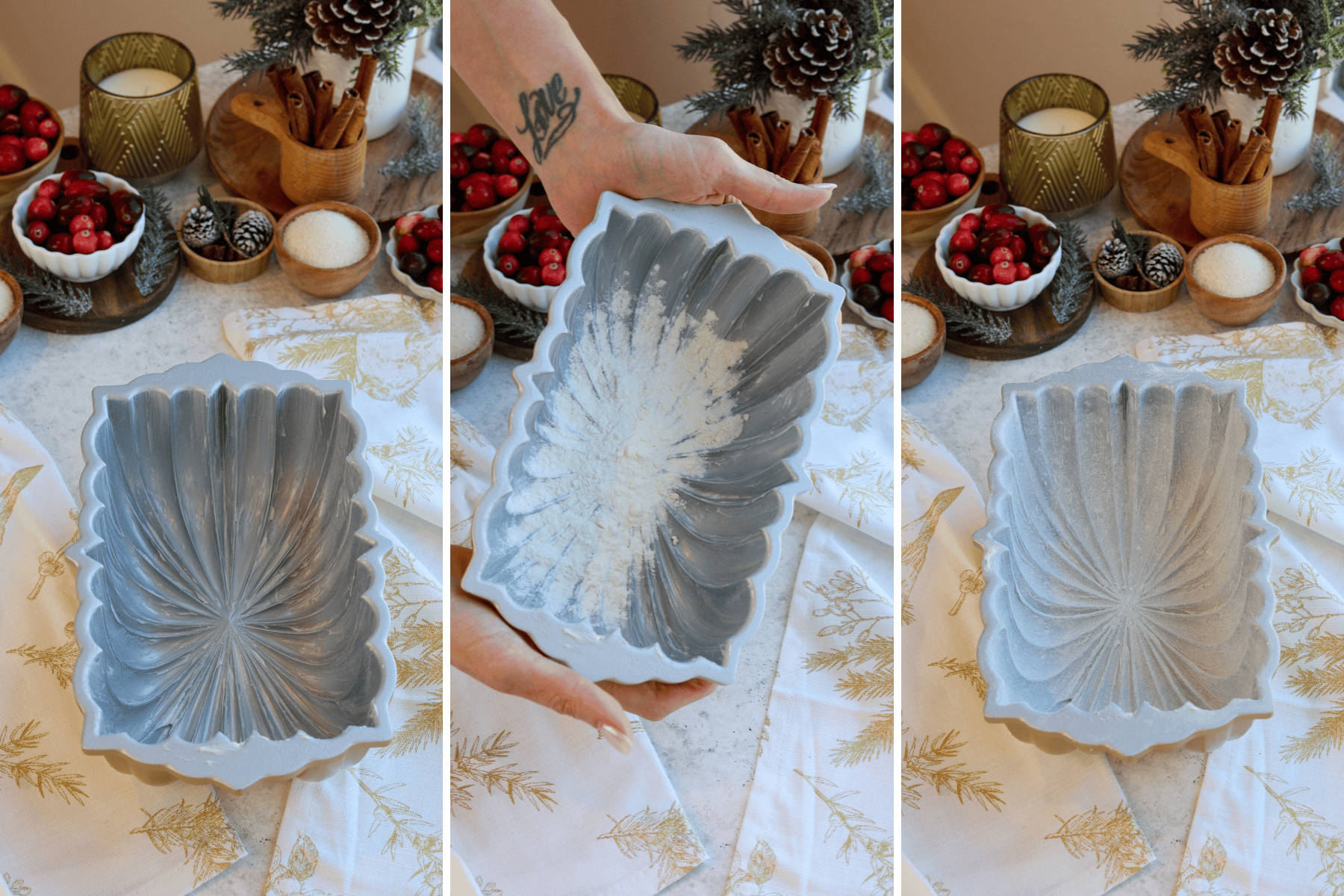
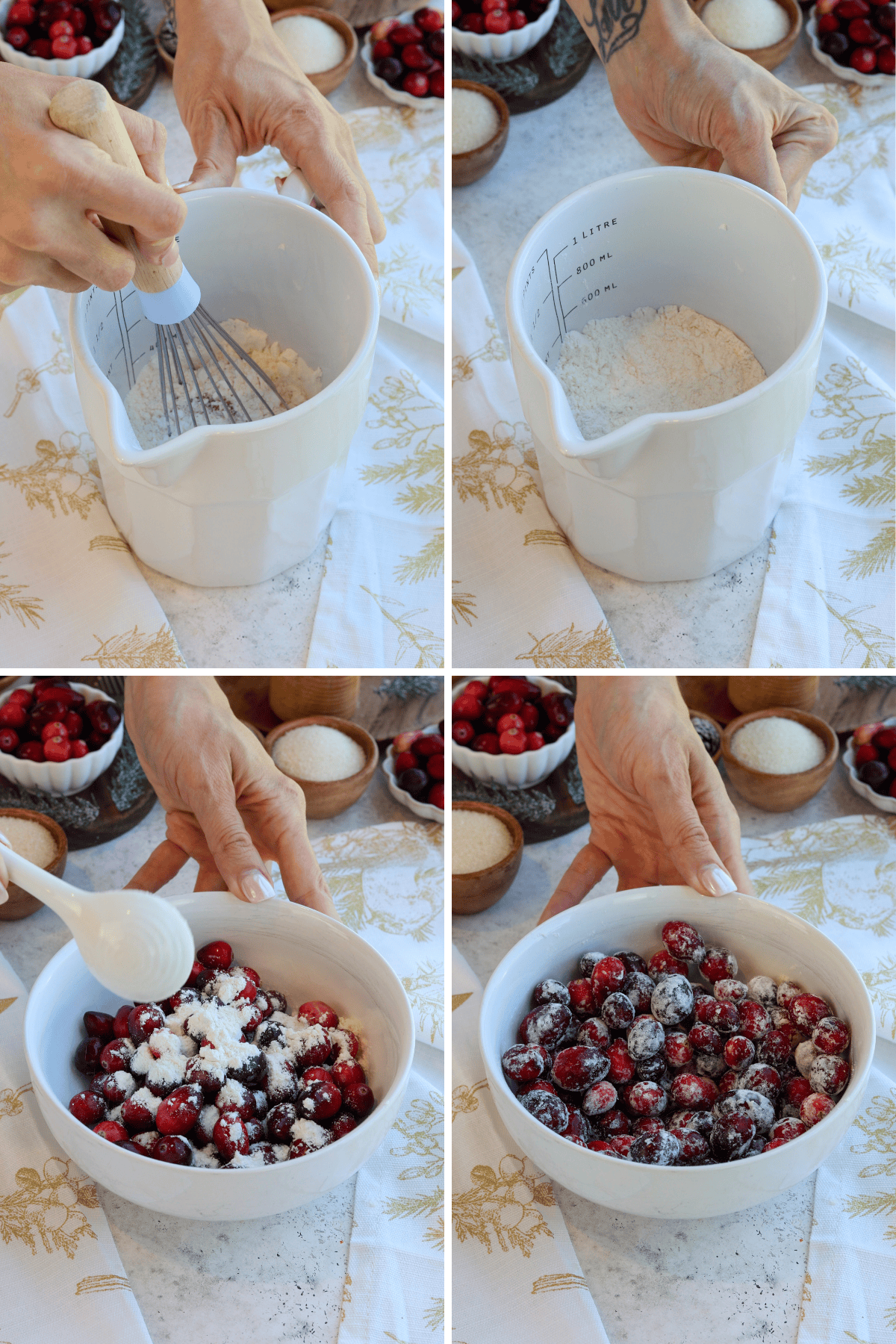
In a small bowl, I whisk together the flour, cornstarch, salt, baking powder, baking soda, and cardamom (if using). I set this aside so it’s ready to go.
In another small bowl, I toss the cranberries with 2 teaspoons of flour. This helps keep them suspended in the batter instead of sinking.
Step 2: Prepare the Batter
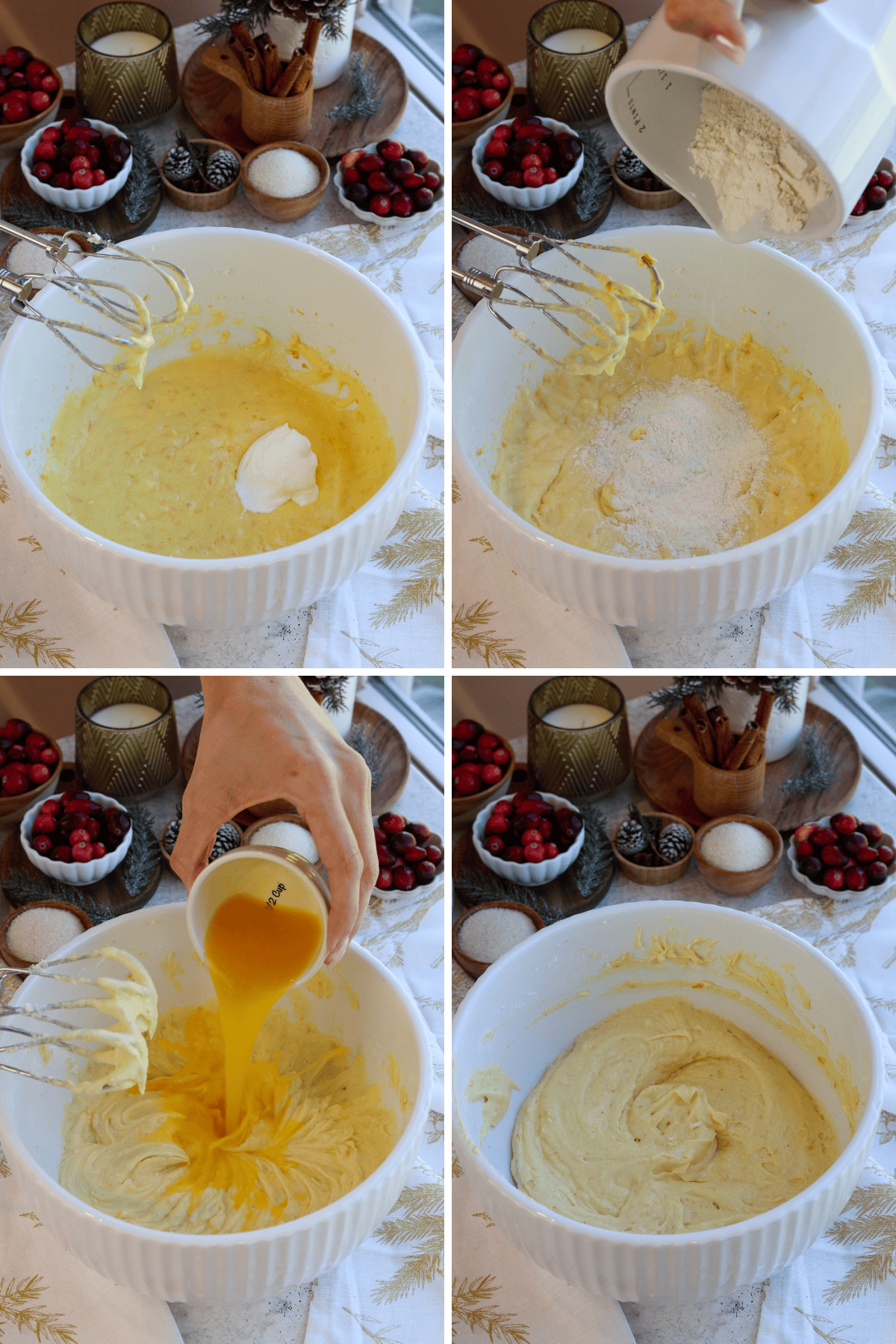
In the bowl of a stand mixer or a large mixing bowl, beat the room temperature butter, sugar, and orange zest for 2 to 3 minutes until the mixture is fluffy.
We beat the sugar with the butter and orange zest to release the zest’s natural oils, infusing the sugar with a more intense orange flavor. This technique distributes the citrusy aroma and taste evenly throughout the batter, giving the bread a deeper, fresher orange essence. It’s a simple step that enhances the overall flavor profile, making each bite more vibrant and aromatic.
I add the eggs one at a time, mixing well after each addition. With the last egg, I add the vanilla extract and mix until fully incorporated.
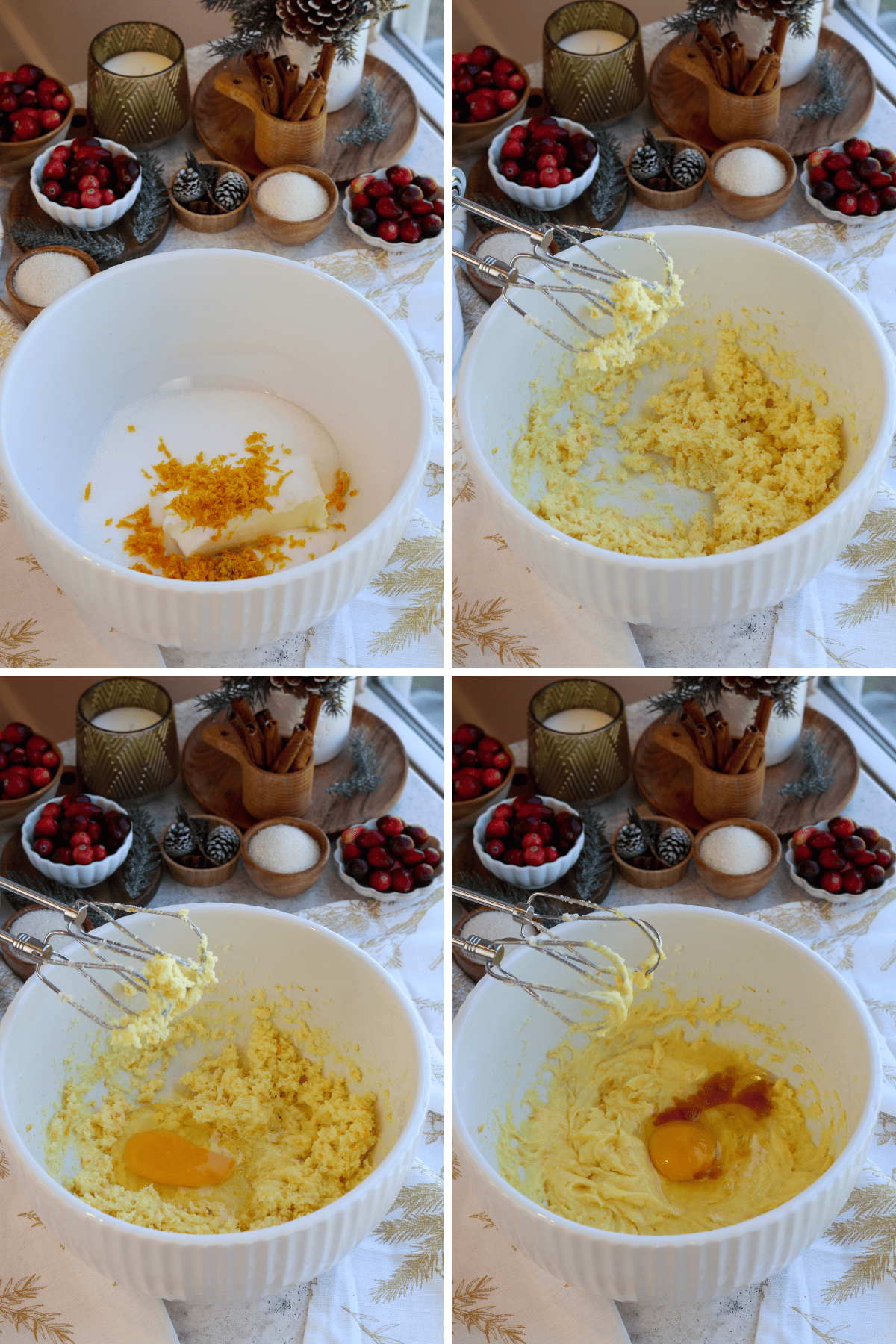
Next, I add the sour cream and mix just until smooth.
With the mixer on low speed, I add half of the dry ingredients and mix until just combined. Then I pour in the orange juice and mix gently. I finish by adding the remaining dry ingredients, stopping as soon as the flour disappears. I usually switch to a spatula at the end to avoid overmixing.
Step 3: Assemble for Baking
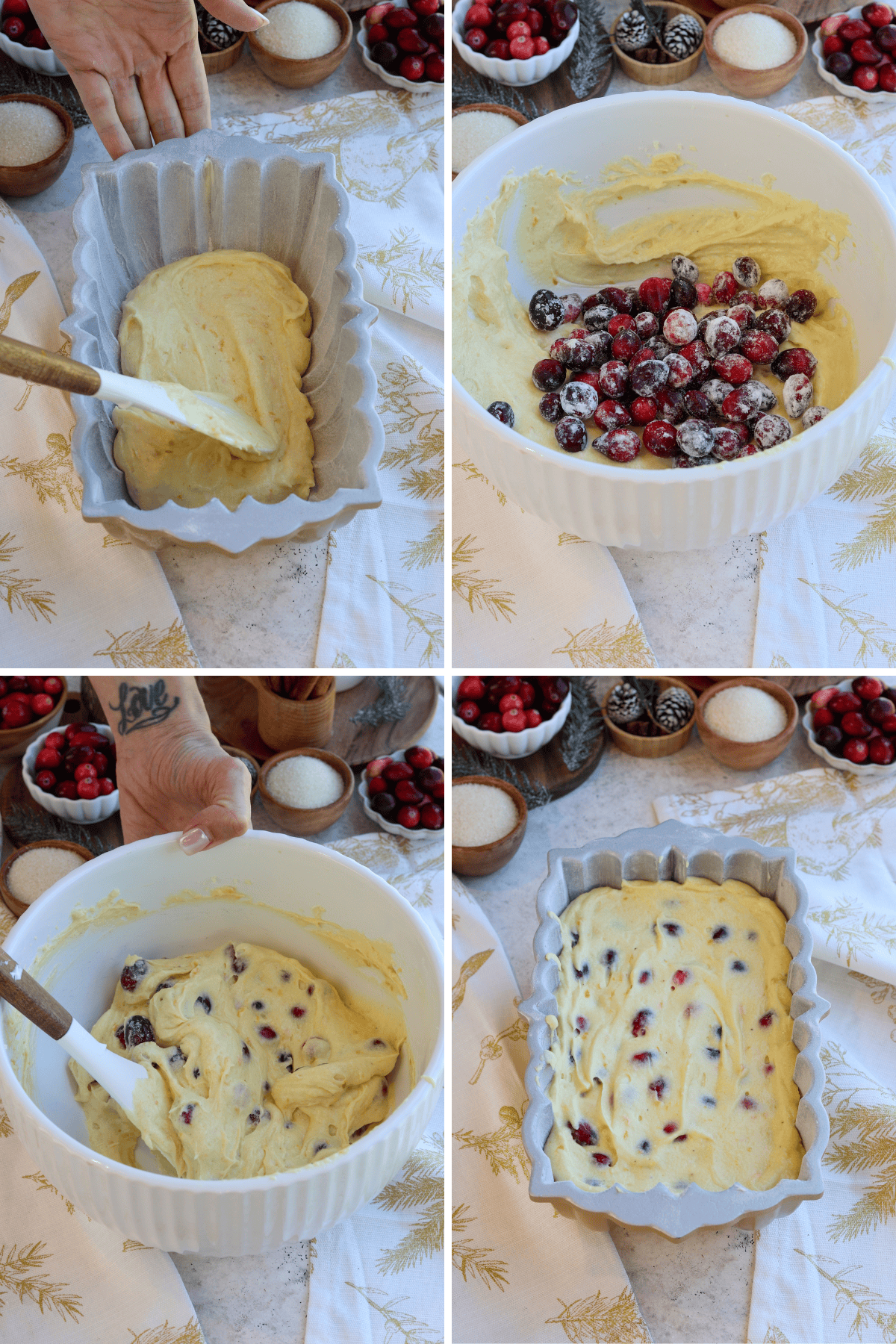
Before adding the cranberries, I pour about ⅔ cup of plain batter into the prepared loaf pan and spread it evenly. This base layer helps keep the cranberries from sinking during baking.
I gently fold the floured cranberries into the remaining batter, then spoon that mixture over the plain batter and smooth the top.
Step 4: Baking
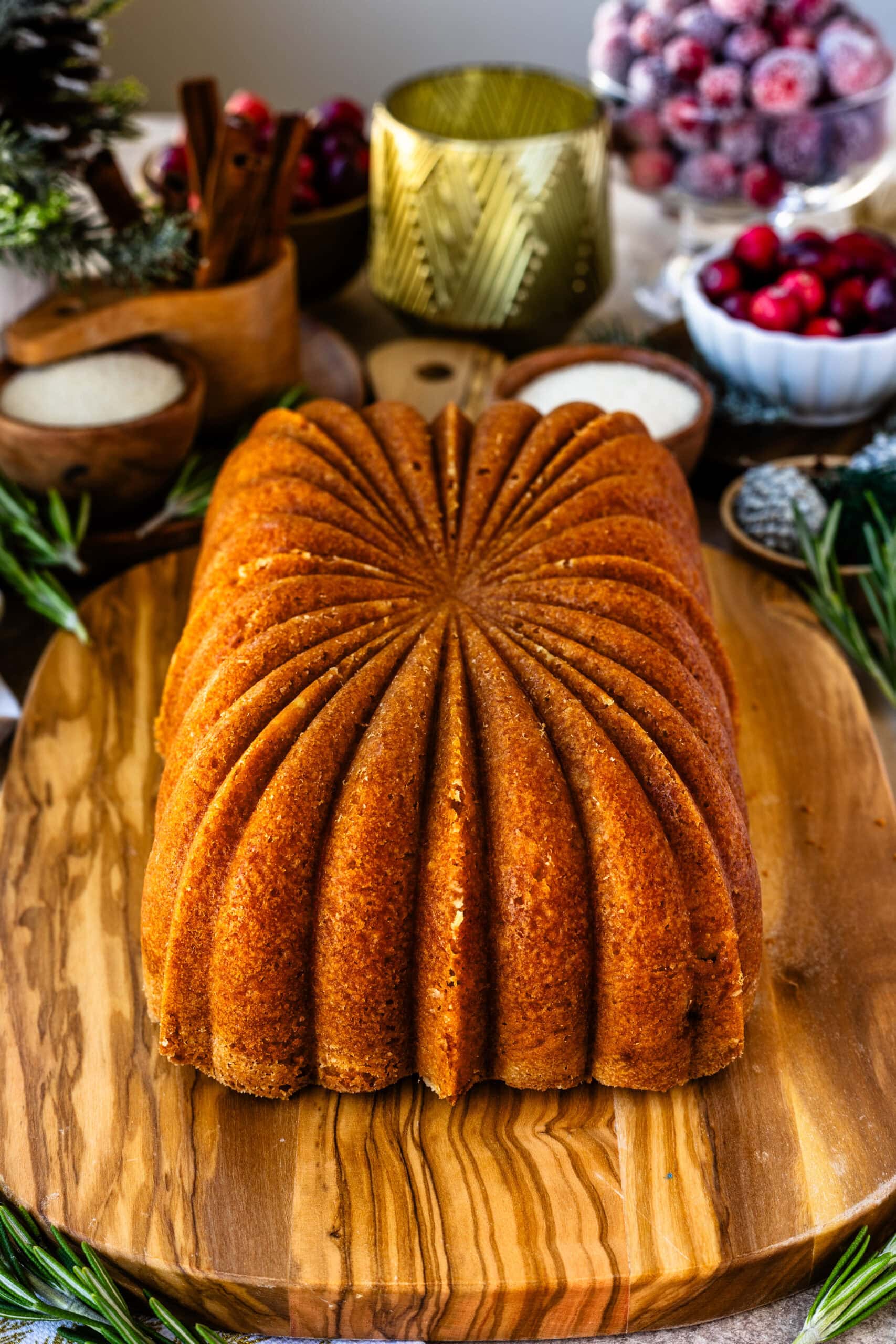
Bake for approximately 45 minutes, or until a toothpick inserted in the center comes out clean, and when you touch the top of the bread it bounces back gently. If you touch the top of the bread and it feels super soft, or the indent doesn’t bounce back, keep baking.
Keep an eye on the bread and check for doneness starting at the 40-minute mark.
Once baked, I let the bread cool in the pan for about 15 minutes, then lift it out using the parchment and transfer it to a wire rack to cool completely. Baking time can vary depending on your oven. Some ovens might require longer baking time. Don’t go by time, go by the signs that tell you the bread is done baking.
Step 5: Orange Glaze
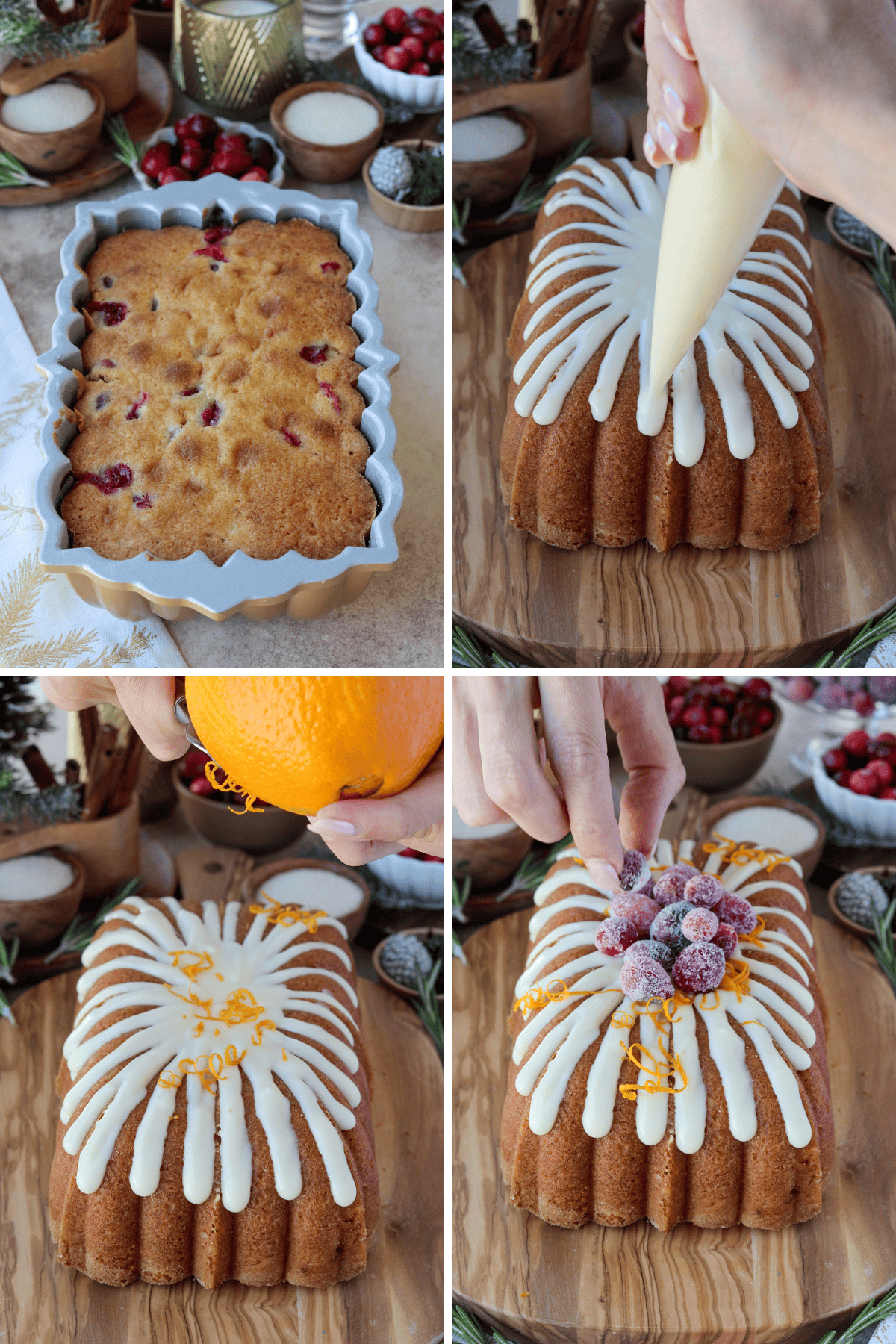
In a small bowl, I beat the cream cheese and butter until smooth. I add the sifted powdered sugar and mix on low until combined, then add orange juice one tablespoon at a time until the glaze reaches a thick but pourable consistency.
I drizzle the glaze over the cooled loaf and finish with sugared cranberries or extra orange zest if I’m serving it for a gathering.
Expert Tips & Tricks
These are the small details I pay attention to when making this bread, and they make a noticeable difference in texture and appearance.
- Zest the orange before juicing it. It’s much easier this way.
- Use room-temperature ingredients. The batter comes together more smoothly and bakes more evenly.
- Layer the batter. Starting with plain batter helps keep the cranberries evenly distributed.
- Always flour the cranberries. This works alongside the layering step to prevent sinking.
- Don’t overmix. I stop mixing as soon as the flour disappears to keep the crumb tender.
- Check for doneness by feel, not just time. The top should spring back lightly when pressed.
- Let the loaf cool before glazing. Warm bread will cause the glaze to melt and slide off.

FAQs
Yes, you can use frozen cranberries. Just make sure not to thaw them before adding them to the batter. Toss them in flour as directed to prevent sinking.
Yes, if you don’t have sour cream, you can substitute it with plain Greek yogurt or buttermilk. Both will add the moisture and slight tanginess that sour cream provides.
Cornstarch makes the crumb softer and more tender. It acts similarly to cake flour, helping to create a light texture in the bread.
Yes, you can try substituting the all-purpose flour with a 1:1 gluten-free flour blend. Note that the texture may vary slightly, so ensure it’s a blend specifically for baking.
Yes, cardamom is optional. It adds a warm, spiced undertone, but you can replace it with a pinch of nutmeg, cinnamon, or simply leave it out.
Sugared cranberries are simple to make! They add a beautiful and festive touch to the bread. Check out this recipe for detailed instructions.

Storage
Store the orange cranberry bread in an airtight container at room temperature for up to 2 days; if it’s glazed, refrigeration is recommended to keep it fresh. For longer storage, refrigerate for up to a week or freeze individual slices by wrapping tightly in plastic wrap and placing them in a freezer-safe container for up to 3 months. Thaw frozen slices overnight in the refrigerator or at room temperature, and reheat in a toaster oven or microwave if desired for a fresh, warm taste.
Variations on Orange Cranberry Bread
Here are some yummy flavor options you can use to spice up this bake!
- Nutty Orange Cranberry Bread: Add 1/2 cup of chopped walnuts or pecans to the batter for a delightful crunch.
- Spiced Orange Bread: Substitute the cardamom with ground cinnamon or nutmeg for a different aromatic flavor.
- Chocolate Chip Orange Cranberry Bread: Fold in 1/2 cup of semi-sweet or dark chocolate chips into the batter for a delightful chocolate-orange combination.
- Maple Orange Cranberry Bread: Replace half of the granulated sugar with maple syrup for a subtle maple flavor that complements the orange and cranberry.
- Coconut Orange Cranberry Bread: Add 1/2 cup of shredded coconut to the batter for a tropical twist. You can also sprinkle some on top before baking for added texture.
More Recipes You Might Enjoy
If you liked this loaf, you might also enjoy Orange Cake, Cranberry Macarons, Pecan Pie Cake, or Apple Upside Down Cake—they share similar flavors or seasonal appeal.
Let Me Know!
If you make this orange cranberry bread, I’d love to hear how it turned out. Leave a comment and rating below, or tag me on Instagram so I can see your version.

Orange Cranberry Bread

Ingredients
Batter
- 1 1/3 cup all-purpose flour 165 grams
- 1 tbsp cornstarch
- 1/2 tsp salt
- 3/4 tsp baking powder
- 1/4 tsp baking soda
- 1/4 tsp cardamom
- 6 tbsp unsalted butter room temperature (85 grams)
- 1 cup sugar 200 grams
- 2 tbsp orange zest
- 2 large eggs
- 1 tsp vanilla extract
- 1/4 cup sour cream 60 grams
- 1/4 cup orange juice 60 ml
- 1 1/2 cup fresh cranberries 150 grams
- 2 tsp all-purpose flour
Orange Glaze
- 4 tbsp cream cheese room temperature (56 grams)
- 2 tbsp unsalted butter room temperature (28 grams)
- 1/2 cup powdered sugar sifted (62 grams)
- 2 tbsp orange juice or more as needed
- 2 tbsp orange zest to decorate
Instructions
Batter
- Pre-heat the oven to 350ºF.
- Grease a 8.5 x 4.5” loaf pan with oil or butter. Line the bottom and sides of the pan with parchment paper. Grease the parchment. Set aside.
- In a small bowl, add the flour, cornstarch, salt, baking powder, baking soda, and cardamom. The cardamom is optional, you can also use nutmeg or just skip it altogether. Whisk to combine and set aside.
- Place the butter, sugar, and orange zest in the bowl of a stand mixer, or in a large mixing bowl.
- Beat with the paddle attachment, or with a hand mixer for 2 to 3 minutes, until the mixture is creamy and fluffy.
- Add the eggs, one at a time, mixing until incorporated before adding the next egg. Add the vanilla along with the last egg and mix to combine.
- Add the sour cream and mix.
- Add half of the dry ingredient mixture to the bowl and mix on low until incorporated.
- Add the orange juice and mix on low to combine.
- Add the remaining dry ingredients to the bowl and mix. You can finish mixing with a spatula to prevent the batter from being over mixed.
- In a small bowl, mix together the cranberries and two teaspoons of flour. Set aside.
- Pour about 2/3 cups of plain batter (without cranberries) on the bottom of the loaf pan. Spread with a spatula on an even layer.
- To the remaining batter, add the floured cranberries. Stir minimally, just until combined.
- Pour the batter with the mixed in cranberries on the pan.
- Spread with a spatula until smooth, on an even layer.
- Bake the bread in the preheated oven for about 45 minutes, until a toothpick comes off clean when inserted in the bread. Baking time may vary depending on your oven, start checking at the 40 min mark, and check every 5 minutes to prevent over baking.
- Remove the bread from the oven and let it cool down for 15 minutes in the pan.
- Remove the pan from the bread by lifting the sides of the parchment paper. Let it cool down completely on a wire rack before glazing.
Orange Glaze
- In a small bowl, beat the cream cheese and butter for 45 seconds. It’s best to use a hand mixer or a whisk for this small amount of ingredients. A stand mixer might not be able to mix the ingredients evenly.
- Add the powdered sugar, beat on low to combine until incorporated.
- Add the orange juice one tablespoon at a time.
- Mix on low to combine, until smooth. If the glaze is too thick, add more orange juice to adjust the consistency as needed. If the glaze is too thin, add more sifted powdered sugar, and mix until it thickens up.
- Spread the glaze on top of the cooled cake.
- Decorate with Sugared Cranberries and orange zest.
- Slice and serve.
Notes
- Room Temperature: Store the orange cranberry bread in an airtight container at room temperature for up to 2 days. If you’ve added the glaze, you have to refrigerate the bread to keep it fresh because of the cream cheese in the glaze.
- Refrigerator: For longer storage, place the bread in an airtight container and refrigerate for up to 1 week. Allow refrigerated slices to come to room temperature or warm them slightly before serving.
- Freezer: This bread freezes well! Wrap individual slices or the whole loaf tightly in plastic wrap, then place in a freezer-safe bag or container. Freeze for up to 3 months. Thaw overnight in the refrigerator or at room temperature before serving. For a fresh taste, reheat slices in a toaster oven or microwave for a few seconds.
- Sour Cream: Substitute with plain full fat Greek yogurt or buttermilk in equal amounts. These will add a similar tang and moisture to the bread.
- Cornstarch: If you don’t have cornstarch, simply replace it with an equal amount of all-purpose flour. However, cornstarch helps make the crumb softer, so the texture may vary slightly.
- Fresh Cranberries: Frozen cranberries work well in this recipe. Do not thaw before adding to the batter to prevent excess moisture. Dried cranberries can also be used but reduce the amount to 1 cup and consider soaking them briefly in warm water or orange juice to soften.
- Cardamom: The cardamom is optional and can be replaced with a pinch of nutmeg, cinnamon, or simply omitted for a more straightforward orange-cranberry flavor.
- Cream Cheese (for the Glaze): You can substitute with mascarpone or softened unsalted butter if cream cheese isn’t available. This will slightly alter the taste but still provide a creamy texture.
- Orange Juice: If fresh orange juice is not available, you can use bottled orange juice, though fresh provides the best flavor. For added orange flavor, you can also add a few drops of orange extract to the glaze.

Made this tonight for a dinner party and it was a hit! By grocery shopping accident didn’t have oranges, but substituted mandarin oranges for the juice and zest and it worked great. The flavor, texture, and appearance were all beautiful. Will make this recipe again! Thanks Camilla!
It sounds incredible!! Mandarin oranges wow! nice twist!! Im so happy you liked it! Great job!! Thank you
How do I prevent my loaf from sinking in the middle after I take it out?
A loaf that sinks in the middle is usually a sign that the structure wasn’t strong enough to support itself as it cooled. This can happen if the bread is underbaked, so the center is still too moist and collapses once it’s out of the oven, or if the batter was overmixed, which weakens the gluten structure and traps too much air. Another common cause is using the wrong pan size or overfilling the pan, when there’s too much batter or the pan is too small, the outside bakes faster than the middle, leaving the center unsupported. Too much leavening (like baking soda or baking powder) can also make the loaf rise quickly and then fall once the initial lift loses strength. Also, opening the oven door too early in the baking process or too many times.
Make sure the loaf is baked fully before removing it, measure leavening agents correctly, use the correct pan size and filling it only halfway to two-thirds full, and let the loaf cool gradually to help prevent that sinking in the middle.